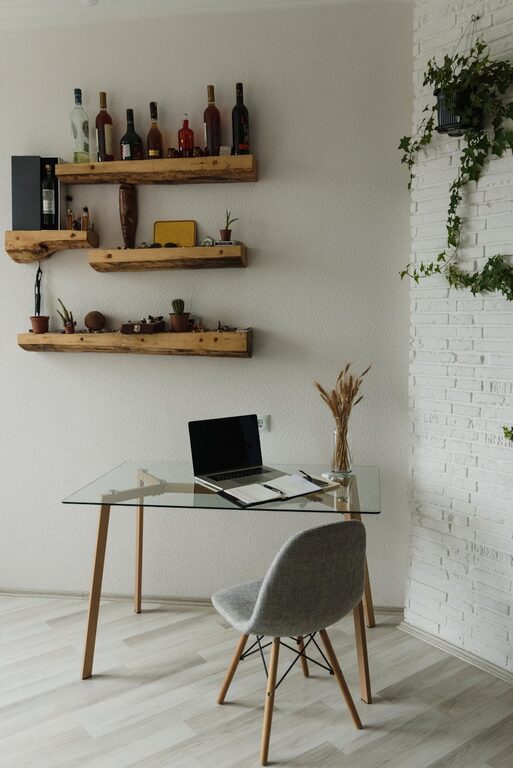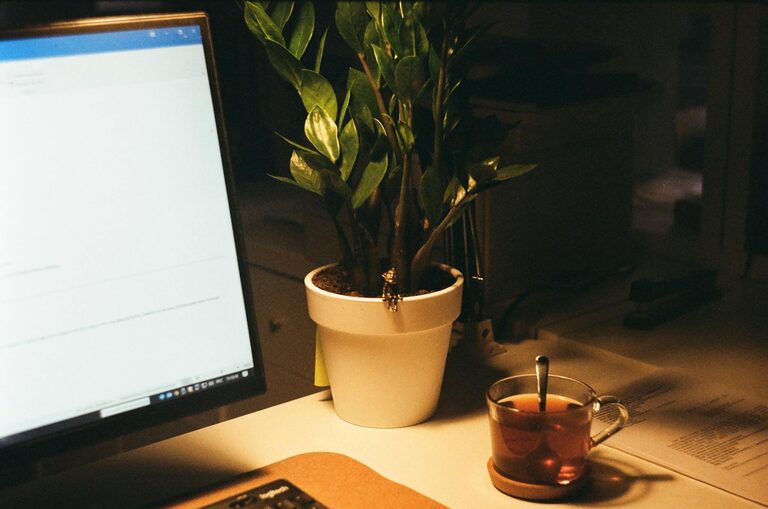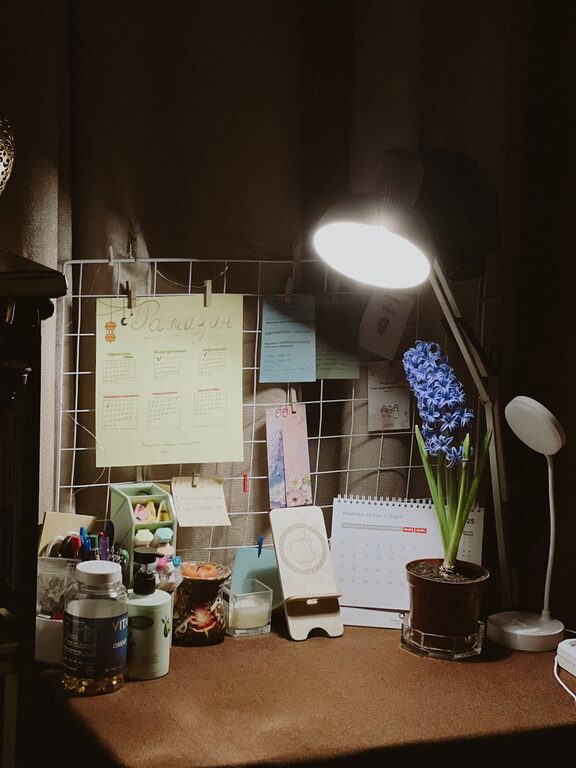



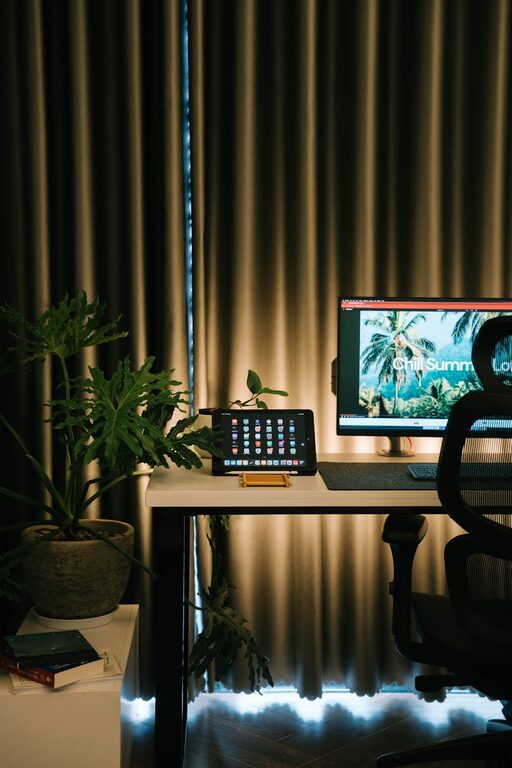
Creating a home workspace that feels cozy yet productive can make a significant difference in how you work and focus throughout the day. Whether you are new to remote work or simply want to refresh your current setup, designing an environment that supports both comfort and efficiency is key. Here are some helpful tips to guide you in creating a home office space you’ll enjoy spending time in.
Choose the Right Location
Selecting the perfect spot in your home is the first step.
– Quiet and Low Traffic: Opt for a place where noise and distractions are minimal. This could be a spare room, a quiet corner in a bedroom, or even a nook in the living room.
– Natural Light: Position your desk near a window if possible. Natural light can improve mood and energy levels, making work less tiring.
– Space Considerations: Make sure there’s enough room for your desk, chair, and any equipment you need. Avoid a cramped setup.
Invest in Comfortable Furniture
Your furniture affects both comfort and posture, influencing your productivity and health.
– Ergonomic Chair: Look for a chair that supports your back and promotes good posture. Adjustable height and lumbar support are important features.
– Stable Desk: A sturdy desk at the right height helps reduce strain. Consider adjustable desks if you like switching between sitting and standing.
– Additional Seating: A small sofa or armchair can be useful for casual reading or relaxation breaks.
Organize with Purpose
A cluttered space can cause distractions and reduce focus. Use organization techniques to keep your workspace tidy.
– Storage Solutions: Shelves, drawers, and boxes help keep important items accessible but out of the way.
– Cable Management: Use clips or cable sleeves to prevent cords from tangling and creating visual clutter.
– Daily Cleanup: End each day by tidying your desk to prepare for the next productive morning.
Set the Right Lighting
Lighting plays a critical role in ambiance and eye comfort.
– Layered Lighting: Combine natural light with desk lamps and overhead lights to avoid eye strain.
– Warm Light for Coziness: Use bulbs with warm tones to create a welcoming atmosphere.
– Adjustable Lamps: Flexible desk lamps allow you to focus light on tasks as needed.
Personalize Your Space
Adding personal touches makes your workspace inviting and boosts motivation.
– Plants: Small indoor plants improve air quality and bring a bit of nature indoors.
– Decor: Use art, photos, or inspirational quotes that make you feel positive.
– Color Scheme: Choose colors that help you focus or relax, such as soft blues or earthy tones.
Minimize Distractions
Creating boundaries helps maintain your attention and productivity.
– Designated Work Zone: Clearly define your workspace to mentally separate work and leisure.
– Noise Control: Use noise-cancelling headphones or white noise machines if ambient sounds are distracting.
– Limit Digital Interruptions: Turn off unnecessary notifications on your devices during focused work periods.
Incorporate Break Areas
Taking regular breaks boosts creativity and prevents burnout.
– Comfort Corner: Set up a cozy spot nearby for short rest breaks or stretching.
– Healthy Snacks: Keep water and light snacks within reach to stay energized.
– Movement: Plan quick exercises or walks to refresh your mind during breaks.
Use Technology Wisely
Equip your workspace with tools that enhance productivity without overwhelming.
– Quality Equipment: Invest in a reliable computer, keyboard, and mouse.
– Efficient Software: Use apps for task management, calendar scheduling, or note-taking.
– Backup Plans: Have a system to save files and protect data to avoid interruptions.
Maintain Healthy Habits
Finally, staying productive and cozy also depends on your habits.
– Routine: Set and stick to working hours for consistency.
– Ergonomics: Take short breaks to stretch and adjust posture regularly.
– Hydration and Nutrition: Drink water and eat balanced meals to keep energy up.
—
Creating a cozy and productive home workspace doesn’t have to be complicated or expensive. Focus on comfort, organization, and minimizing distractions to build an environment that supports your work style and well-being. With these tips, your home office can become a place you look forward to working in every day.